How EPC Contractors Choose Overhead Cranes in India
menu_open
Content Quick Link
How EPC Contractors Select Overhead Cranes for New Indian Steel Plants
Most Important Takeaway
In India’s fast-growing steel sector, choosing the right overhead crane is not just a technical decision—it’s about trust, reliability, and long-term partnership. The right crane ensures smooth project execution, safeguards operations, and strengthens your reputation with clients and stakeholders.
Key Takeaways
- EPC contractors rely on clear tender specifications to define crane capacity, span, duty class, and environmental protections.
- Technical evaluation ensures cranes meet both Indian standards and international benchmarks, integrate seamlessly with plant processes, and support safe, efficient operations.
- Managing project timeline risks, from delivery to installation, is crucial in maintaining credibility and avoiding costly delays.
- Strategic crane selection builds long-term value, reliability, and trust with clients, workers, and the broader steel plant community.
Tender Specifications for Steel Plant Cranes
In India, the tender document is the first and most important guide for EPC contractors. It acts as the roadmap for crane selection and sets the expectations for both the client and the supplier. A clear tender ensures smooth communication and avoids costly misunderstandings or delays later.
The tender reflects the plant's workflow, operational needs, and environmental challenges. Contractors who analyze it carefully can select cranes that are safe, reliable, and practical for daily operations.
Lifting Capacity and Span
Before looking at the numbers, it's important to understand the type of operation the crane will perform. Different sections of a steel plant require cranes with varying lifting capacities and spans.
- Billet handling: These cranes need mid-range capacity to lift heavy billets efficiently and accurately.
- Rebar or slab movement: Here, cranes require higher capacity and longer spans to move larger or longer materials without slowing production.
Practical Note: Don't just focus on the maximum load. Consider the overall workflow and lifting frequency to prevent bottlenecks or wear and tear.
Duty Classification and Frequency
Every crane is designed for a certain level of activity. Understanding the duty classification helps avoid overworked equipment and unnecessary downtime.
- M3: Suitable for moderate-duty operations where lifts are infrequent.
- M4–M5: Designed for high-frequency operations like continuous casting lines, where cranes are in near-constant use.
Practical Note: Always match the crane's duty class to the expected workload. This prevents premature wear and reduces long-term maintenance costs.
Environmental Challenges
Steel plants in India operate under varied environmental conditions that can affect crane performance. It's crucial to account for these conditions when reviewing tender specifications.
- Heat: Motors and electrical systems need to withstand high temperatures, especially near furnaces.
- Dust and moisture: Insulated cables and protective housings help cranes run reliably in dusty or humid areas.
- Hazard zones: Explosion-proof hoists are essential for sections with flammable materials.
Practical Note: Including these considerations at the tender stage prevents safety risks and unexpected breakdowns later.
Standards Compliance
Standards ensure cranes meet operational and safety expectations. They also give confidence to investors and plant owners that the equipment is reliable and professionally engineered.
- Indian standards: IS 3177 and IS 807.
- International standards: ISO and CE certifications, especially when foreign EPC partners or investors are involved.
Practical Note: Meeting these standards isn't just paperwork. It reflects quality, operational safety, and builds trust with all stakeholders.
Practical Takeaways for EPC Contractors
After reviewing tender specifications, contractors should use this stage to manage risk and plan ahead. A few simple steps make a big difference:
- Study the tender carefully: Every note, number, and environmental condition matters.
- Think beyond capacity: Consider duty class, lifting frequency, and plant-specific conditions.
- Ask questions early: Clarify special requirements like dust protection, heat shielding, or explosion-proof needs.
- Treat the tender as a risk-management tool: Proper analysis saves time, cost, and potential frustration later.
Technical Evaluation and Supplier Assessment
Once the tender requirements are clear, the next step for EPC contractors is technical evaluation. This is where trust, practicality, and long-term planning matter most. It's not just about numbers on paper—it's about choosing a crane that will perform reliably every day in the plant, withstand harsh conditions, and integrate seamlessly with existing operations.
Supplier Credibility
Before considering the technical specs, contractors first look at the manufacturer's track record. In India, experience counts. A supplier who has delivered cranes successfully to other steel plants is far more reliable than one with only promises on paper.
- Certifications matter: ISO and CE certifications show that the supplier follows standardized processes.
- Proven experience: Suppliers with completed projects in rolling mills, billet handling, or rebar lines are trusted partners rather than just vendors.
- Local presence: Suppliers with service support in India help reduce downtime and ensure faster maintenance.
Practical Note: EPC contractors often choose suppliers they can trust for the long term, not just for a one-off purchase.
Design and Integration
Even a high-capacity crane can fail to deliver value if it doesn't fit well into the plant layout. Contractors carefully review how the crane will integrate with the workflow.
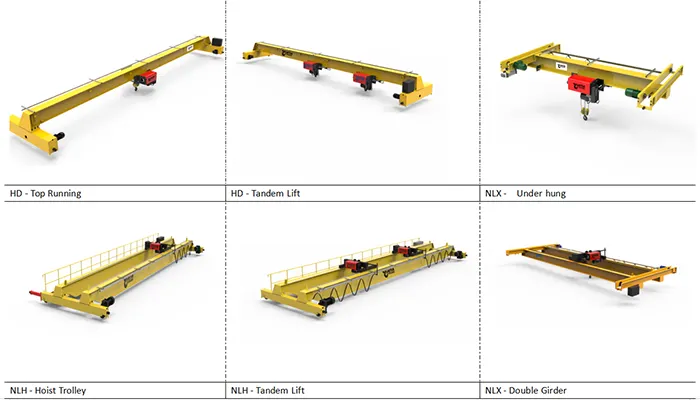
- Crane type: Single girder or double girder, depending on span, load, and frequency.
- Seamless fit: Cranes must work smoothly with rolling mills, billet lines, or rebar production areas.
- Operational flow: The crane should not obstruct material handling or disrupt other plant equipment.
Practical Note: Integration is about efficiency and predictability—a crane that fits poorly can slow production and increase maintenance headaches.
Operational Efficiency and Safety
A crane may lift the required weight, but if it's slow, unsafe, or hard to operate, it becomes a bottleneck. EPC contractors focus on features that keep production smooth while protecting workers.
- Hoist selection: Wire rope or chain hoists, chosen based on duty cycle and load type.
- Safety devices: Anti-sway systems, overload protection, and limit switches prevent accidents and equipment damage.
- Maintenance-friendly design: Easy access to motors, brakes, and control systems reduces downtime.
Practical Note: Safety isn't optional. In Indian steel plants, a reputation for safe operations strengthens trust with workers and clients alike.
Cost vs. Lifecycle Benefit
Price matters, but the cheapest crane upfront is not always the most economical. Indian EPC contractors evaluate the total cost over the crane's lifespan.
- Maintenance costs: Some cranes require frequent servicing or expensive spare parts.
- Energy efficiency: A crane that consumes less power saves significant operational cost over time.
- Reliability: Fewer breakdowns mean less production loss and lower indirect costs.
Practical Note: Practical, durable, and reliable solutions may cost more initially, but they pay off in performance and peace of mind.
Bringing It Together
The technical evaluation process in India reflects a mix of trust, practicality, and foresight. Contractors choose suppliers who are reliable, cranes that integrate smoothly, and equipment that keeps production safe and efficient. This approach ensures the plant operates consistently, safely, and cost-effectively over the long term.
Managing Project Timeline and Risk
In Indian EPC projects, time is literally money. Every delay not only impacts budgets but can also strain relationships with clients, investors, and plant operators. For contractors, managing project timeline and risk isn't theoretical—it's a daily reality. The right planning ensures the plant is operational on schedule while maintaining credibility with all stakeholders.
Delivery and Installation
Before ordering a crane, contractors consider how quickly it can be delivered and installed. The choice between domestic and overseas suppliers can make a big difference.
- Domestic suppliers: Often provide faster delivery and easier coordination with installation teams.
- Overseas suppliers: May offer advanced technology or cost advantages but require careful scheduling and customs planning.
- Installation planning: Cranes need to be assembled, aligned, and tested. Any misstep can delay the entire project.
Practical Note: Planning delivery and installation in advance reduces bottlenecks and keeps the project moving smoothly.
Risk Mitigation
Unforeseen events—like delayed shipments or technical issues—are common in steel plant projects. EPC contractors address these risks proactively.
- Modular crane designs: Pre-fabricated modules allow faster assembly on-site, saving critical days.
- Contingency plans: Backup schedules and alternative workflows help handle delays, especially for critical operations such as continuous casting or slab handling.
- Supplier coordination: Clear communication with suppliers ensures any problems are flagged early and resolved quickly.
Practical Note: Thinking ahead and building flexibility into schedules is essential in India's steel ecosystem. It protects both project timelines and your reputation.
Coordination with Project Phases
Cranes don't operate in isolation—they must be coordinated with civil, mechanical, and electrical works. Misalignment can stall production lines and create costly rework.
- Runway beams: Should be installed in sync with building and structural work.
- Mechanical and electrical installations: Cranes need clear space and proper integration with plant machinery.
- Sequencing: Proper sequencing avoids clashes, keeps contractors efficient, and maintains safety standards.
Practical Note: A crane installed out of sequence can delay multiple operations. Careful coordination keeps the project on track and builds trust with the client.
Bringing It Together
In India, EPC contractors know that keeping promises is as important as technical know-how. Managing timelines and risks is not just about completing a project on paper—it's about maintaining trust, protecting relationships, and ensuring smooth steel plant operations. The contractors who plan carefully, communicate clearly, and anticipate risks are the ones that earn a solid reputation in the Indian steel industry.
Practical Tips for EPC Contractors in India
Even after evaluating tender documents, technical specifications, and project timelines, EPC contractors know that practical foresight makes all the difference. Small decisions early on can prevent costly delays, maintenance issues, or operational inefficiencies later. Here are some tried-and-tested tips for contractors working in Indian steel plants:
Verify Supplier References
Before finalizing a supplier, it's wise to check their track record locally. In India, a manufacturer's reputation in the community carries real weight.
- Speak to other steel plants: Ask about delivery times, installation support, and post-sale service.
- Assess reliability: A supplier trusted by multiple Indian plants is more likely to deliver on promises.
- Consider local service presence: Quick support can save days of downtime in critical operations.
Practical Note: Community reputation and proven performance often matter more than marketing claims.
Include Lifecycle and Maintenance Costs
The initial price of a crane can be misleading. Indian EPC contractors know that total cost of ownership—including maintenance, energy, and spare parts—affects long-term project success.
- Maintenance planning: Understand service intervals and spare part availability.
- Energy efficiency: A slightly more efficient crane can save significant electricity costs over time.
- Operational downtime: Factoring in maintenance prevents unexpected disruptions to production.
Practical Note: Thinking beyond the upfront cost protects the plant and maintains client confidence.
Plan for Future Growth
Steel plants in India rarely stay static. Capacity expansions, automation upgrades, or new production lines are common. Selecting a crane that can adapt to future needs avoids costly replacements.
- Flexible load capacity: Ensure the crane can handle potential increases in lifting requirements.
- Automation-ready design: Consider cranes compatible with future remote or automated operations.
- Long-term planning: A slightly larger or more versatile crane today saves money tomorrow.
Practical Note: Practicality today secures flexibility for tomorrow's plant growth.
Schedule Buffer Time for Customizations
No two Indian steel plants are exactly alike. Local conditions, environmental factors, or electrical setups may require minor adjustments to crane design or installation.
- Plan for adjustments: Allow time for heat shields, dust protection, or cabling modifications.
- Coordinate with suppliers: Ensure customizations are understood and implemented before arrival.
- Avoid last-minute surprises: Early planning keeps installation smooth and on schedule.
Practical Note: A well-timed buffer prevents stress, avoids delays, and preserves your credibility with clients.
FAQ – Questions Solved in This Article
1. How do EPC contractors interpret tender specifications for overhead cranes in Indian steel plants?
EPC contractors start by reading the tender carefully. Every detail matters—from lifting capacity and span to duty classification and environmental conditions. Contractors assess:
- How much weight the crane needs to lift and how often.
- Whether the crane will be exposed to heat, dust, or moisture.
- Compliance with Indian standards (IS 3177, IS 807) and international certifications (ISO, CE) if investors require it.
By understanding these specifications, contractors can select cranes that are reliable, safe, and practical for day-to-day operations, while avoiding costly misalignment with the plant's workflow.
2. What technical and operational criteria ensure cranes are fit for purpose?
Technical evaluation focuses on practical performance, safety, and integration. Contractors look at:
- Supplier credibility: Proven experience with Indian steel plants and proper certifications.
- Crane design: Single or double girder configuration that integrates smoothly with rolling mills, billet lines, or rebar areas.
- Operational efficiency and safety: Anti-sway devices, overload protection, limit switches, and easy maintenance access.
- Lifecycle cost: Maintenance requirements, energy efficiency, and overall reliability.
This ensures the crane is not only compliant on paper but also effective and durable in real plant conditions.
3. How can delivery and installation risks be mitigated to protect project timelines?
EPC projects in India are sensitive to delays, which affect budgets and client trust. Contractors mitigate these risks by:
- Choosing domestic suppliers when possible to reduce lead times.
- Planning for modular crane designs that can be assembled faster onsite.
- Creating contingency plans for unforeseen delays, especially for critical operations like continuous casting or slab handling.
- Coordinating crane installation with civil, mechanical, and electrical works to avoid clashes.
Proactive planning ensures the plant stays on schedule and maintains credibility with stakeholders.
4. What practical steps can safeguard operations, reduce maintenance costs, and strengthen client trust?
Practical foresight helps EPC contractors manage costs, operational efficiency, and client relationships:
- Verify supplier references: Speak with other Indian steel plants to gauge reliability and service quality.
- Include lifecycle costs: Factor in maintenance, spare parts, and energy use.
- Plan for future growth: Choose cranes that can handle increased loads or automation upgrades.
- Schedule buffer time for customizations: Account for local conditions, power supply adjustments, or environmental factors.
These steps protect operations, minimize downtime, and demonstrate professionalism, which builds long-term trust with clients and plant operators.
Conclusion
Selecting an overhead crane for a new steel plant in India is more than just choosing lifting capacity. It’s about making decisions that protect operations, budgets, and your reputation.
Key points to remember:
- Build trust: Reliable suppliers and proven equipment strengthen client confidence.
- Ensure practical reliability: Cranes must perform consistently under Indian plant conditions—heat, dust, and heavy workloads.
- Safeguard long-term performance: Considering lifecycle costs, maintenance, and future expansion prevents surprises and downtime.
By aligning tender requirements, technical evaluations, and project timelines, EPC contractors can ensure that steel plants operate safely, efficiently, and on schedule.
In the Indian steel ecosystem, being reliable and practical matters as much as technical skill. Contractors who plan carefully, anticipate risks, and select the right crane earn respect, credibility, and lasting partnerships in the industry.

Article by Bella ,who has been in the hoist and crane field since 2016. Bella provides overhead crane & gantry crane consultation services for clients who need a customized overhead travelling crane solution.Contact her to get free consultation.